Blankets and quilts serve as essential layers for comfort and warmth, balancing insulation with breathability to suit varying climates and personal preferences. Understanding fabric types, weave density, and warmth ratings helps identify the right option for different sleeping environments. In slowfashion.nyc, blankets and quilts emphasize durability, natural fibers, and timeless design, aligning with thoughtful, long-lasting home textiles.
Common blanket materials include cotton, linen, wool, and silk blends, each offering distinct properties such as moisture management, temperature regulation, and softness. Quilts often feature a lighter construction with stitching patterns that contribute to even warmth distribution. Knowledge of fiber provenance and care instructions supports responsible use and extended lifespan.
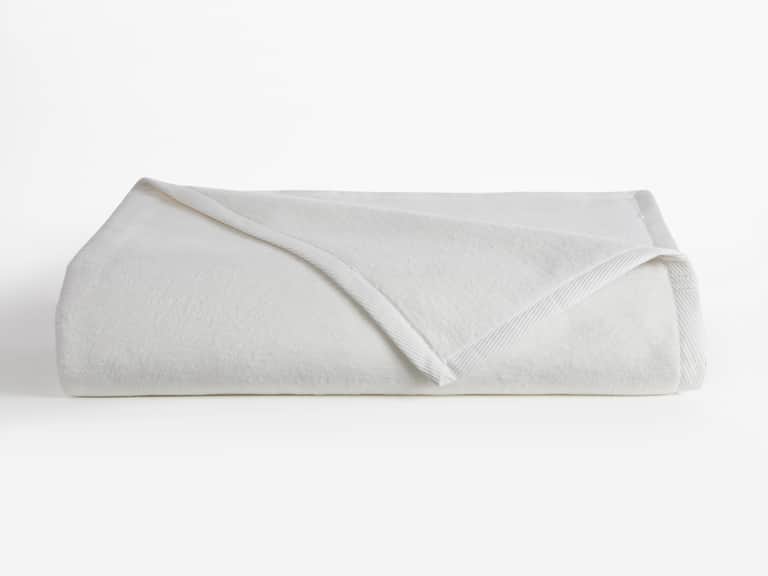
The Downtown Company Silk Blanket exemplifies key features valuable to informed buyers: premium silk fibers for luxurious feel, hypoallergenic properties, and temperature regulation that adapts to seasonal changes. Functional benefits include insulation without excessive weight, reduced pilling, and a refined texture suitable for layering with other bedding pieces.
When selecting blankets and quilts, consider weave density, fiber content, and care requirements to ensure durability and consistent performance. For indoor environments, natural fibers typically offer better breathability, while silk blends may provide a smoother surface and enhanced comfort during sleep. Proper maintenance preserves texture, luster, and thermal effectiveness over time.
By examining the characteristics of blankets and quilts, including the Downtown Company Silk Blanket, readers can assess suitability for bedding systems, furniture styling, and overall room ambiance. Keywords such as bedding, sheets, comforters, and silk comforters connect textile knowledge to practical uses in home furnishings and slow fashion principles.
 Bedding