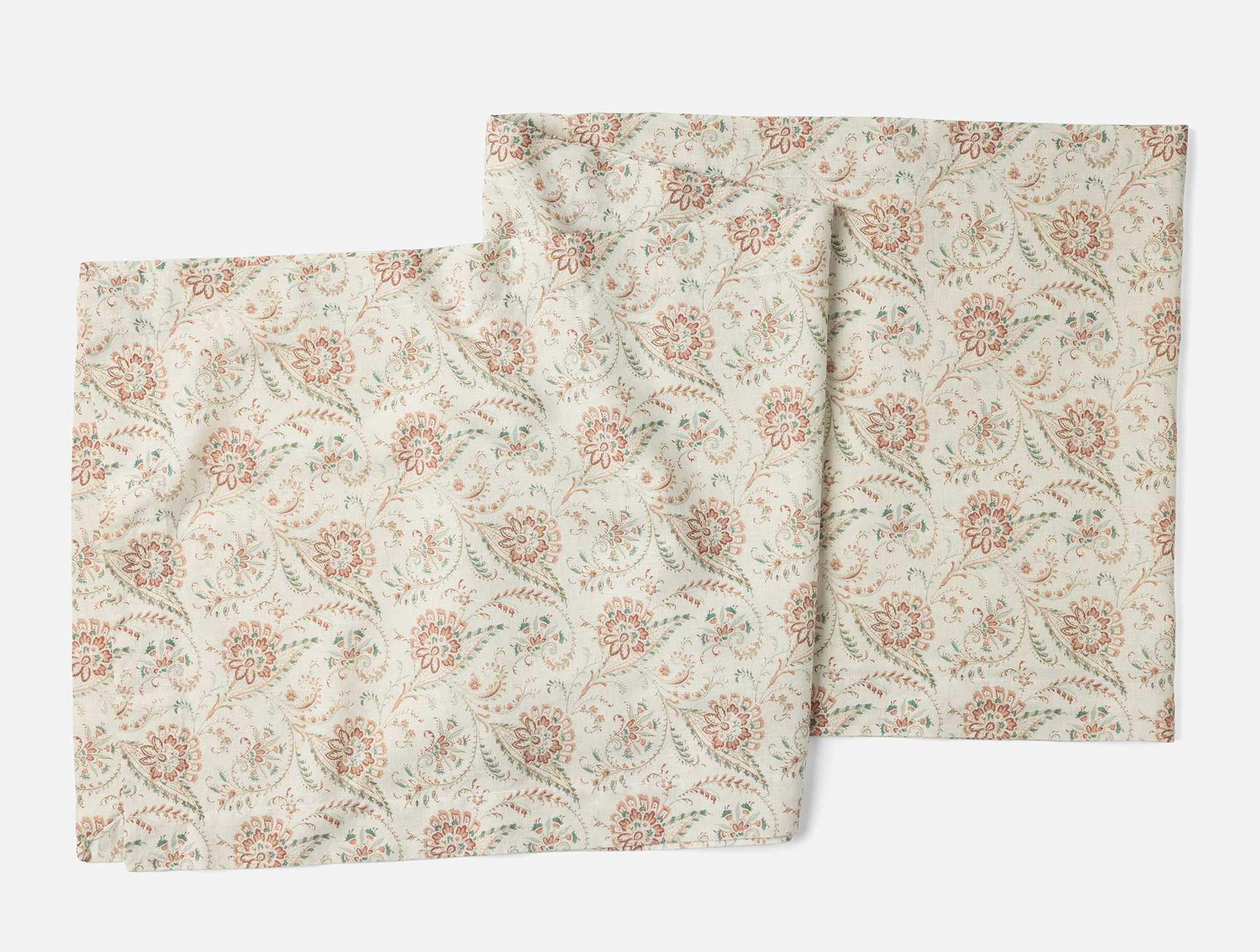
Ponderosa Print Runner
Elevate every meal with the Ponderosa Runner: soft, durable fabric blends, elegant floral-paisley print, easy machine wash, and timeless mitered corners for a refined, everyday or special-occasion table setting.
Exploring NYC’s vibrant network of repair events and upcycling studios that help extend the life of garments, build practical skills, and strengthen the city’s slow fashion ecosystem.
New York City isn’t just a backdrop for trend-driven fashion—it’s a living laboratory for sustainable practice. Slow fashion, at its core, is about quality, durability, and mindful consumption. In the urban jumble of boutiques, studios, and community spaces, NYC reveals how a metropolitan appetite for style can coexist with longevity, repair, and repairability. This guide centers on a practical, action-oriented approach: where to learn mending, where to repair, and where to upcycle, all with an eye toward building a personal slow fashion plan that fits city life.
The history of sustainable textiles in urban settings is a narrative of craft revival and community resilience. From maker collectives to neighborhood repair spots, the city offers a spectrum of opportunities to slow down, understand fabric life cycles, and reimagine wardrobes as ongoing projects rather than disposable items. In this context, repair cafés and upcycling studios become social hubs—places where neighbors share techniques, swap ideas, and co-create solutions that reduce waste while elevating everyday wear.
A repair café is a community space where volunteers help visitors mend clothing, electronics, furniture, and other household goods. In the context of fashion, repair cafés focus on garment mending, alterations, and restoration—skills that often fade in our fast-fashion era. The value lies not only in extending the life of a garment but in demystifying the process of repair, lowering the barrier to entry for beginners, and fostering a culture of care and responsibility around fabric and thread.
NYC’s repair cafés operate with a blend of volunteer expertise and participant curiosity. Attendance varies by season, location, and partnered institutions, but the underlying model remains consistent: hands-on guidance, accessible tools, and a low-cost or donation-based ethos. By participating, you learn how simple fixes—like a spare button, a fallen seam, or a minor zipper replacement—can revitalize a favorite piece and reduce the need for new purchases.
NYC’s patchwork of venues includes community centers, libraries, arts organizations, and independent studios that host periodic repair events. While exact calendars can shift, a practical approach is to seek spaces that publish open workshop sessions, drop-in mending clinics, or volunteer-led repair days. These events are especially valuable for beginners who want to learn fundamental sewing and repair skills in an encouraging, collaborative environment.
Tips for finding events:
When attending, bring garments that clearly show the issue, along with basic items like needles, thread, scissors, and a sense of curiosity. Some events provide tools, but having your own sewing kit or small repair supplies can speed up the learning process and empower you to work on your wardrobe between sessions.
Upcycling—turning waste or unwanted items into higher-value products—plays a critical role in closing the loop of fashion’s lifecycle. In NYC, upcycling studios and communities demonstrate that creativity can be a practical solution to waste, inviting participants to reimagine fabrics through sewing, embroidery, applique, and reconstruction. Beginner-friendly projects can be as simple as converting a worn tee into a tote bag, transforming oversized garments into well-fitting separates, or combining scrap fabric into decorative patches for jackets or jeans.
Key upcycling concepts to explore in NYC include:
Many upcycling studios emphasize hands-on learning, with instructors guiding participants through step-by-step techniques that minimize waste and maximize wear. The outcome isn’t just a product—it’s a belt of knowledge and shared practices that contribute to a more resilient wardrobe philosophy. NYC’s scene proves that style can be cultivated responsibly, without sacrificing the joy of creating or the thrill of personal expression.
A practical way to embed slow fashion into city life is through a Personal Slow Fashion Plan, a simple framework that tracks care, repair, and upcycling activities across a calendar year. Here’s a starter guide tailored to NYC’s rhythm:
In NYC, this calendar can be aligned with local event cycles. For instance, January might pair a wardrobe audit with a winter repair clinic, while spring can highlight repair weekends and upcycling workshops around Earth Day-related programming. The aim is to keep you engaged, learning, and connected to a local network that shares a commitment to responsible fashion.
To make it easier to navigate NYC’s repair and upcycling landscape, here is a compact, practical map of entry points—designed to be updated as the scene evolves. This is a curated starting point, not a definitive directory; learners should check local listings and partner organizations for current schedules.
As you explore, keep a notebook of insights: stitch techniques learned, favorite repair methods, and ideas for future upcycling projects. Building a personal library of notes and samples makes it easier to repeat successes and adapt techniques to your wardrobe.
For slowfashion.nyc, the repair cafés and upcycling narrative aligns with the broader city-anchored mission: to educate, empower, and connect New Yorkers with practical pathways to more durable wardrobes. This article serves as a living guide—one that can expand into feature profiles of studios, interviews with local makers, and event calendars that help readers discover hands-on opportunities in real time. The core message remains simple: style, stewardship, and community can harmonize in a bustling metropolis through small, deliberate steps.
In terms of content strategy, consider integrating:
Slow fashion in NYC isn’t a solitary pursuit; it’s a collective practice that thrives when neighbors share knowledge, tools, and stories. Repair cafés and upcycling studios are more than services—they are communal laboratories where you learn to listen to fabric, envision a garment’s potential, and participate in a circular economy that respects people and the planet. By embracing repair, upcycling, and thoughtful consumption, New Yorkers contribute to a broader movement that transcends borough boundaries and inspires sustainable living across the city.
As you embark on this journey, remember that the smallest acts—a well-timed mend, a thoughtfully chosen upcycle project, or a wardrobe sorting session—have a ripple effect. The aim is not perfection but progress: a wardrobe and a city that value longevity, skill sharing, and creative resilience. Welcome to NYC’s repair culture, where fashion is not disposable but deliberately curated, repaired, and renewed.
For readers interested in expanding their understanding of slow fashion beyond repair and upcycling, consider exploring articles that cover lifecycle analysis of garments, fabric care science, and the ethics of supply chains. By examining these topics through a local lens—how NYC communities source durable materials, how repair networks function, and how upcycling studios sustain themselves—craftsmanship and sustainability become approachable, concrete, and deeply personal.
In the spirit of practical slow fashion, consider items that support durable living and mindful entertaining, especially for those hosting repair coffee chats, upcycling sessions, or wardrobe swaps. One example is the Ponderosa Print Runner, a table runner crafted from a durable linen-cotton blend that merges sustainability with everyday use. While this is a product you may encounter in related lifestyle contexts, this article remains focused on repair and upcycling education in NYC. If you’re seeking to curate a space that reflects slow fashion values—durability, recycled content, and responsibly produced textiles—the Ponderosa Print Runner represents the kind of ethically sourced textile you might integrate into a thoughtful, well-loved home setting. For more details and purchase options, you can review the product link on its official page.